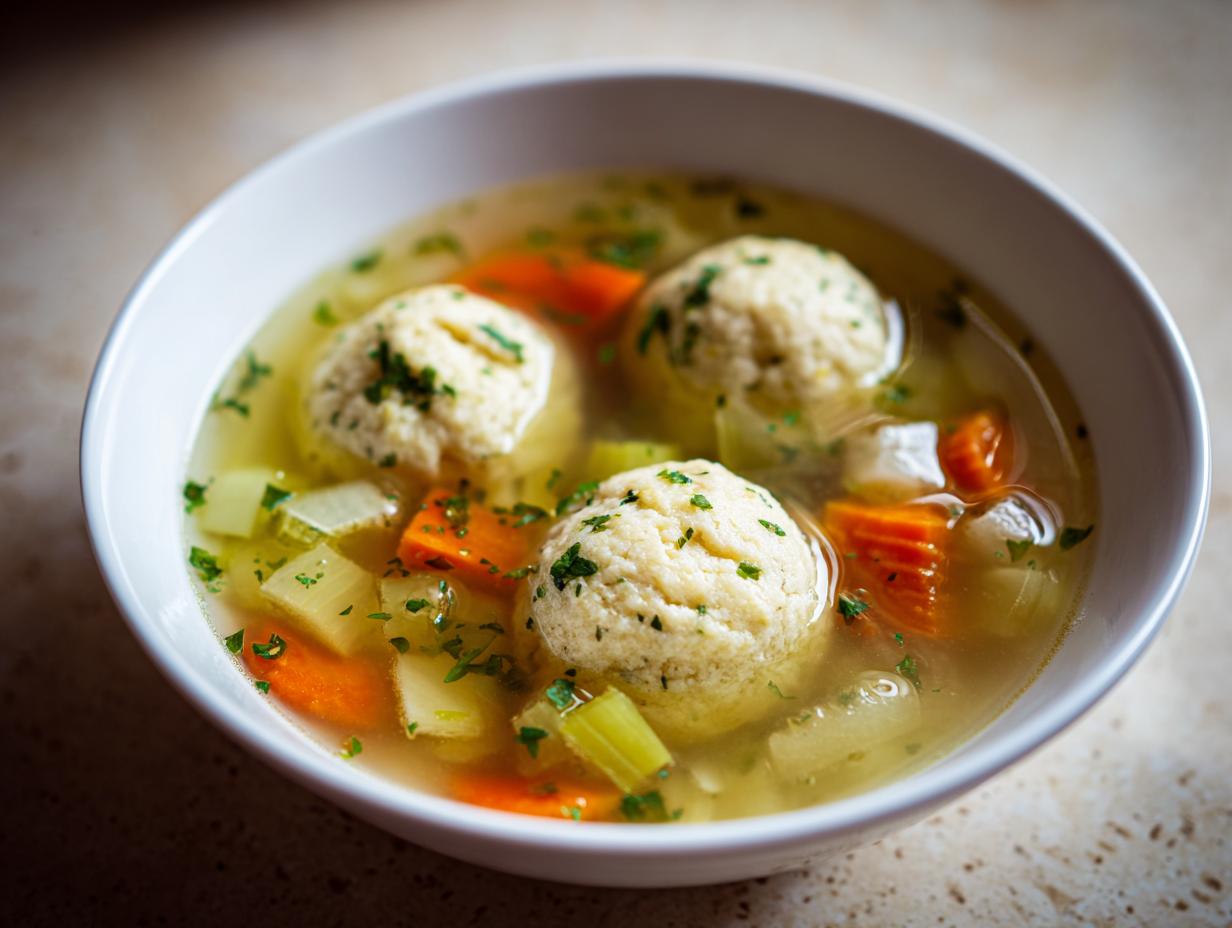
There's a reason why matzo ball soup holds a cherished spot in hearts and homes, far beyond its traditional holiday appearances at Passover and Hanukkah. It's a culinary hug in a bowl, a testament to comforting flavors, and for many, a taste of home. But what elevates a good matzo ball soup to an unforgettable, legendary one? It’s often the subtle secrets, passed down through generations or discovered through dedicated culinary exploration, that truly perfect this iconic dish. Whether you're a seasoned chef aiming to refine a beloved staple or a curious beginner eager to try your hand at this quintessential comfort food, unlocking these secrets will transform your soup from merely good to truly sublime.
The Soul of the Soup: Crafting Unforgettable Homemade Broth
The foundation of any truly exceptional matzo ball soup isn't just a component; it's the very soul of the dish: homemade chicken broth. While store-bought alternatives might offer convenience, they simply cannot replicate the profound depth of flavor that only a slow-simmered, homemade broth provides. Think of your matzo balls as culinary sponges; they avidly absorb every nuance of flavor around them. This means the time and effort invested in your broth will pay dividends in every spoonful.
The beauty of crafting this liquid gold lies in its simplicity. It starts with roughly chopped aromatics – the classic trinity of onion, carrots, and celery, but don't shy away from adding earthy turnips and parsnips for an extra layer of complexity, a tip gleaned from seasoned Jewish kitchens. These root vegetables caramelize slightly when sautéed, releasing their sugars and adding a foundational sweetness. Then, introduce a whole chicken or two to a large pot, nestling it amongst the fragrant vegetables. Cover it generously with a mix of quality chicken broth and water, ensuring the chicken is just submerged.
Herbs are non-negotiable for an authentic Jewish flavor profile. Italian flat-leaf parsley offers a vibrant, brighter note compared to its curly counterpart, while dill, with its distinctive grassy and almost citrusy essence, is a hallmark of traditional Jewish cooking. A generous seasoning of salt and pepper at the outset, and then adjusted later, is crucial. Bring the pot to a boil, then reduce to a gentle simmer, allowing it to cook partially covered for a minimum of two hours. This slow extraction process coaxes every last bit of flavor from the ingredients, resulting in a rich, savory broth that hums with warmth and umami. Once cooked, remove the chicken (perfect for shredding back into the soup or for other meals), reserve a few pieces of tender carrot, and carefully strain the broth, discarding the spent vegetables and herbs. Taste and adjust the seasoning one final time. For more in-depth strategies on mastering your broth, explore our guide on Homemade Broth Magic: Year-Round Matzo Ball Comfort.
Unveiling the Matzo Ball Secrets: From Dense to Divine
Beyond the broth, the matzo balls themselves are the star, and their texture is a subject of passionate debate. Achieving that perfect balance – whether light and fluffy "floaters" or satisfyingly firm "sinkers" – often comes down to a few surprising ingredients and techniques.
The first secret ingredient, cherished in Jewish cooking, is shmaltz. This rendered chicken fat is the Jewish culinary equivalent of lard in Southern cooking, used frequently and for good reason. Shmaltz infuses the matzo balls with an unparalleled richness and depth of flavor that butter or oil simply can't match. It’s often available in the freezer aisle of most supermarkets and is truly transformative. Its presence helps create a tender crumb and a moist, flavorful matzo ball.
The second game-changer for many seeking ethereal lightness is seltzer. While many recipes call for plain water, seltzer, especially the bubblier, the better, acts as a subtle leavening agent. The tiny bubbles trapped within the liquid expand during cooking, contributing to a more airy, pillowy texture. If seltzer isn't on hand, water will work, but the result won't achieve quite the same delicate buoyancy. The matzo meal itself, usually combined with eggs, shmaltz, and seltzer, benefits from a crucial resting period in the refrigerator. This allows the matzo meal to fully hydrate, resulting in a more uniform texture and preventing the balls from falling apart during cooking.
The Great Debate: Floaters vs. Sinkers and How to Choose Your Destiny
The texture of matzo balls sparks one of the most delightful (and sometimes heated) culinary debates. Are you a fan of the light, airy, cloud-like "floater" that gently bobs on the surface of your soup? Or do you prefer the hearty, firm, and intensely flavorful "sinker" that offers a satisfying chew? This isn't just a matter of preference; it's a worldwide phenomenon, a testament to the diverse interpretations within a shared culinary heritage. Your choice often reflects family tradition, passed down through generations.
Several factors influence whether your matzo balls will float or sink. The ratio of matzo meal to liquid, the amount of fat (shmaltz) incorporated, and even the cooking time all play a significant role. For those aspiring to create light and fluffy floaters, a slightly higher liquid-to-meal ratio, the inclusion of seltzer, and a careful touch when mixing (avoid overworking the dough) are key. Gentle simmering rather than a vigorous boil also helps them maintain their delicate structure. Conversely, sinkers often boast a higher matzo meal content, resulting in a denser, more compact texture. They might also be simmered for a bit longer, intensifying their flavor and firmness. Both styles have their devoted followers, and there's no right or wrong answer—only what brings you the most comfort and joy. To delve deeper into this delicious discussion and learn specific techniques for mastering each style, check out our comprehensive guide on Floaters vs. Sinkers: Crafting Your Ideal Matzo Ball Soup.
Assembling Your Masterpiece: Tips for Serving and Enjoying
With your ultra-savory broth simmering and your perfectly textured matzo balls ready, it’s time to bring your masterpiece together. The assembly is straightforward but allows for personal touches. Gently add the cooked matzo balls to the hot broth. If you reserved some shredded chicken from your broth-making process, this is the perfect time to add it back for a more substantial soup. Reintroducing those tender, reserved carrot slices from the broth adds a lovely visual and textural element.
For serving, ladle generous portions of the rich broth, with several matzo balls, into warm bowls. A final flourish of fresh, chopped Italian flat-leaf parsley or dill enhances both the aroma and the visual appeal. Some enthusiasts enjoy a sprinkle of white pepper for a subtle kick. This matzo ball soup is best enjoyed immediately, allowing the matzo balls to fully soak up the broth's exquisite flavors.
If preparing ahead, store the broth and matzo balls separately. The broth can be refrigerated for up to 3-4 days or frozen for several months. Matzo balls, once cooked and cooled, can be stored in the refrigerator in an airtight container with a little broth to prevent them from drying out, for 2-3 days. Reheat gently on the stovetop, adding the matzo balls to the hot broth just before serving to maintain their ideal texture.
From its humble origins to its status as a beloved year-round comfort food, matzo ball soup is a dish that truly embodies warmth, tradition, and the art of simple perfection. By embracing the secrets of homemade broth, the rich magic of shmaltz, and the airy lift of seltzer, you're not just cooking a recipe; you're crafting an experience. So, gather your ingredients, set aside some time, and embark on your own journey to culinary excellence. The reward will be a bowl of soul-satisfying comfort that speaks volumes.
